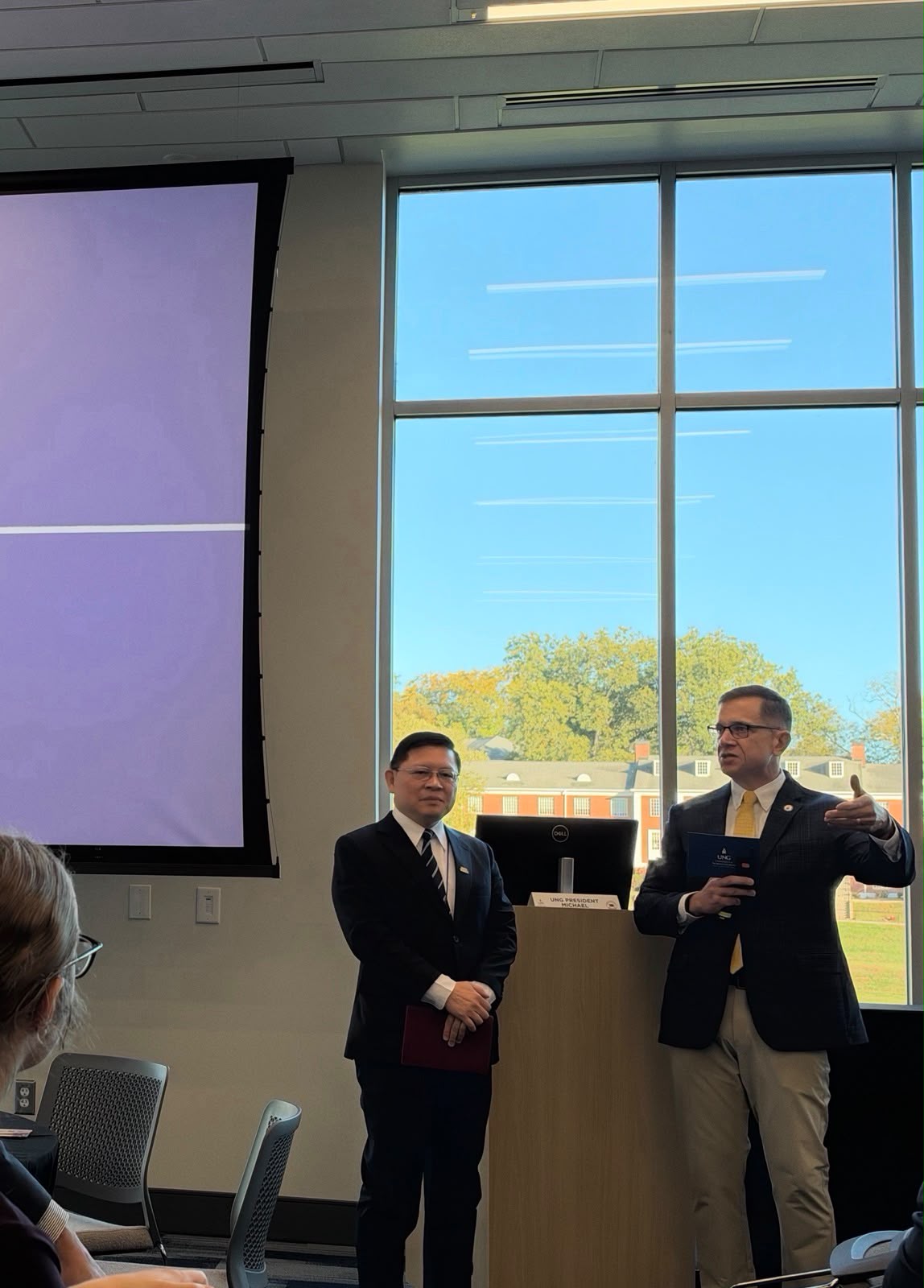
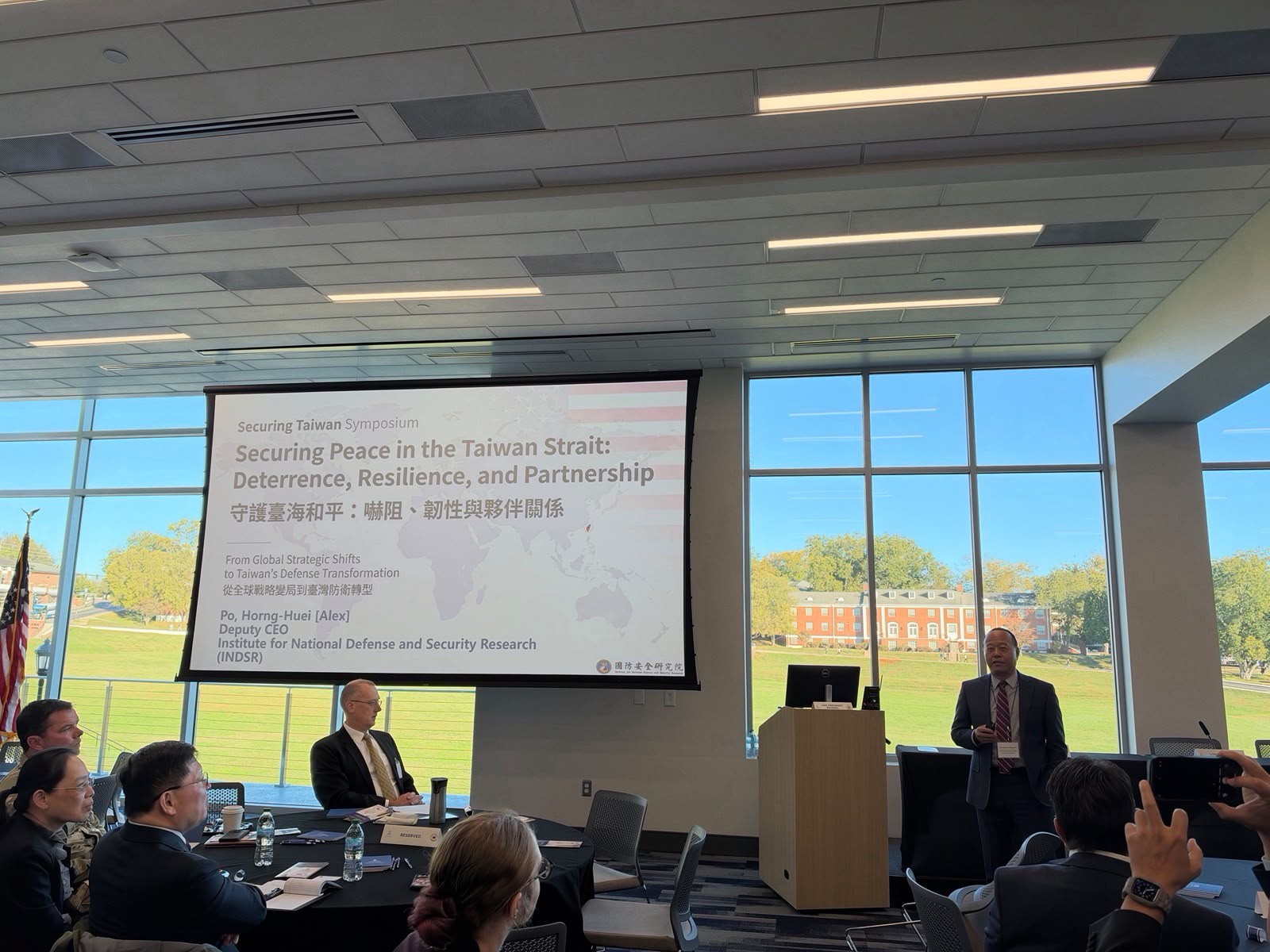
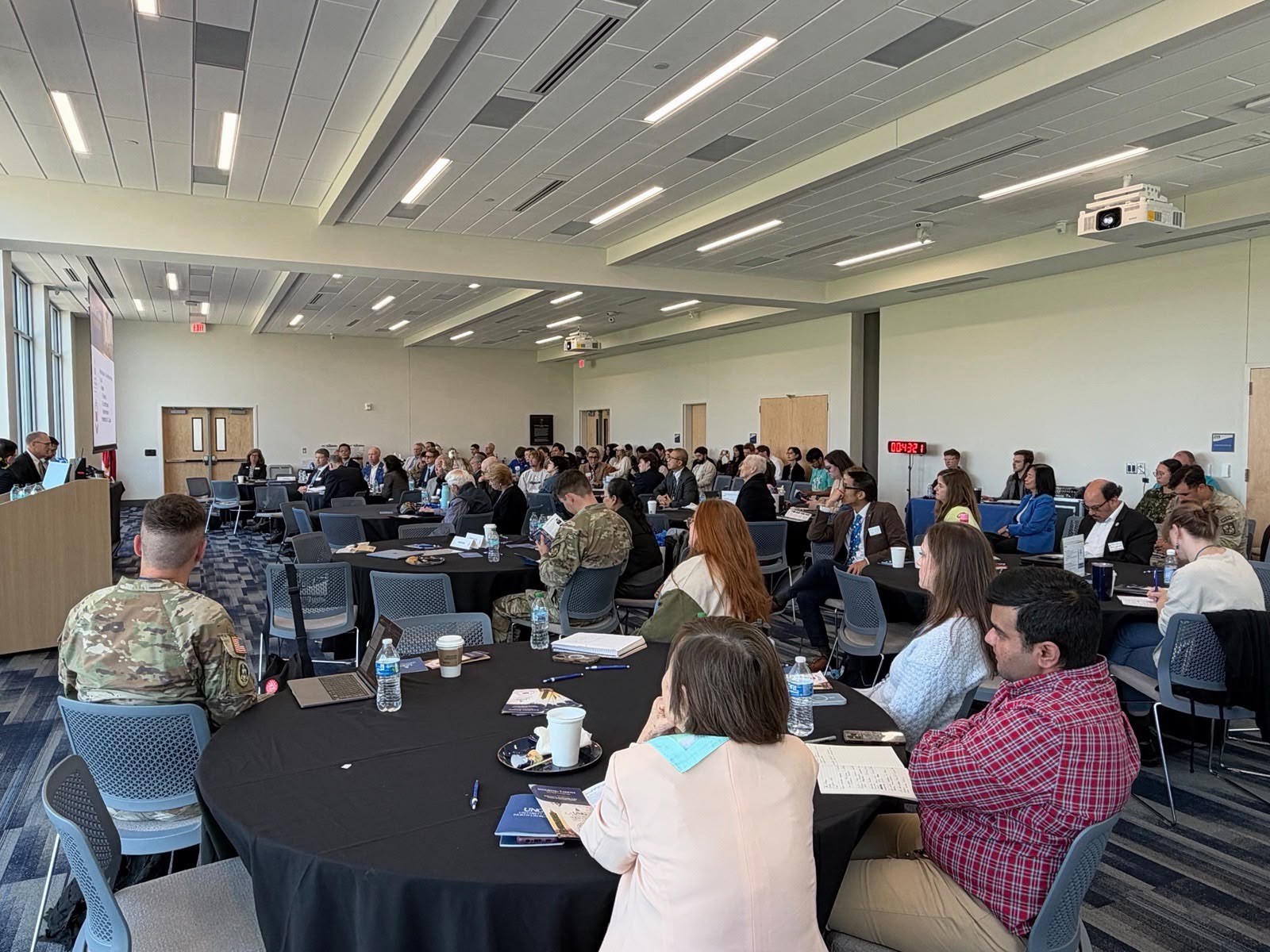
On October 20, 2026, University of North Georgia (UNG) President Michael Shannon announced plans to establish a Center for Taiwan Studies during a Taiwan security symposium co-hosted for the first time by UNG and the Taipei Economic and Cultural Office (TECO) in Atlanta. The event brought together retired senior military officers, former government officials, and experts on national security issues from Taiwan and the United States to discuss Taiwan’s defense, deterrence strategies, and U.S.–Taiwan security cooperation, further strengthening bilateral exchanges in Indo-Pacific security and academia.
The symposium, titled “Securing Taiwan: Deterrence, Partnership, and the Future of the Indo-Pacific,” was held at UNG’s main campus in Dahlonega, Georgia.
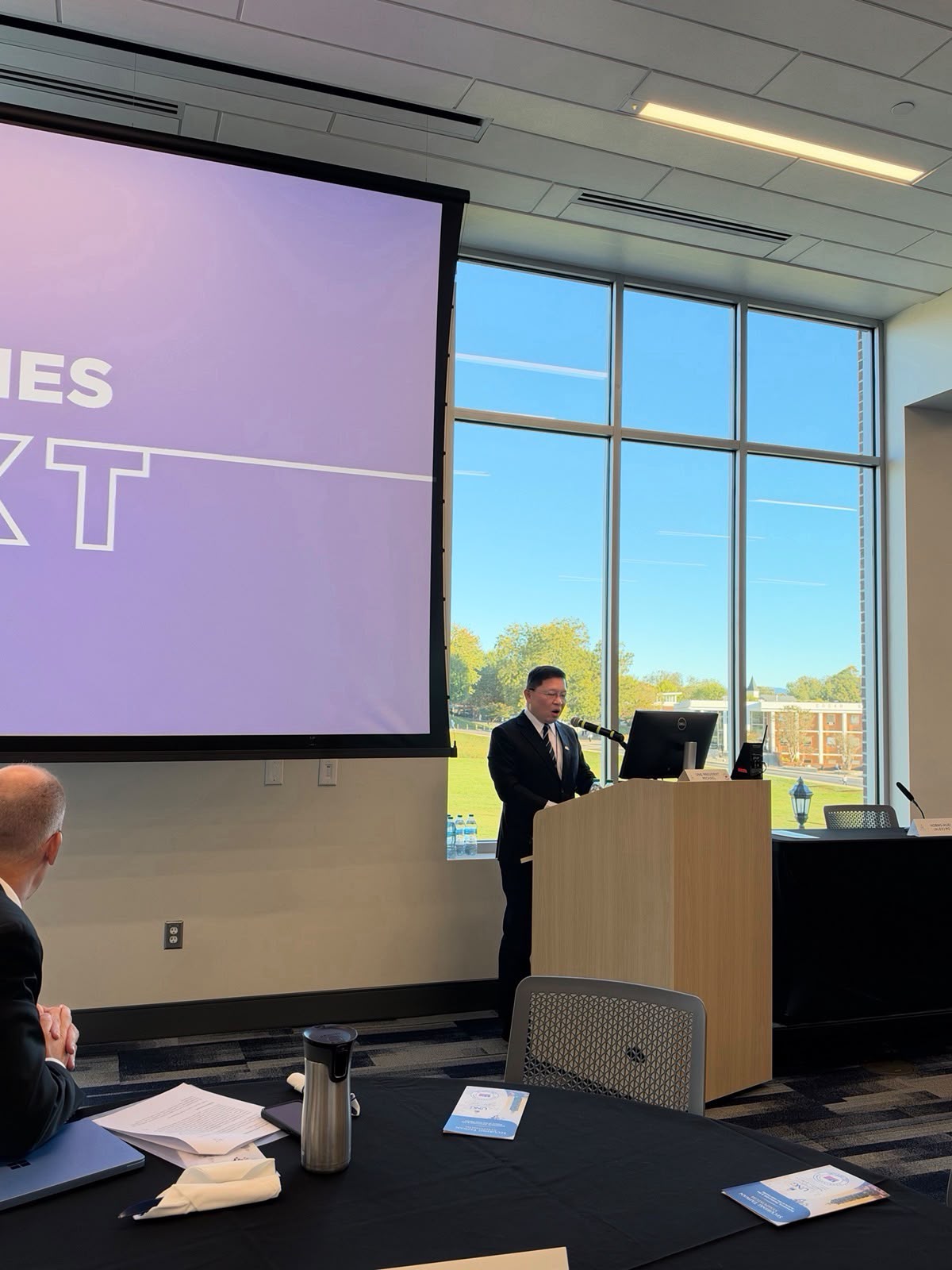
In his opening remarks, Director General Jared Lin of TECO Atlanta warmly welcomed UNG’s announcement of the planned Center for Taiwan Studies, describing it as an important milestone in the partnership between the two institutions. He expressed hope that the Center would promote academic exchanges, policy dialogue, and educational cooperation, deepen understanding of Taiwan and Indo-Pacific security issues among American scholars and students, and help cultivate the next generation of globally minded leaders.
DG Lin further emphasized that Taiwan’s security is not merely a concern for Taiwan itself, but is closely connected to the security, prosperity, and stability of the broader international community. Taiwan occupies a strategically important position in the Indo-Pacific and plays a critical role in global semiconductor and high-tech supply chains. Peace and stability across the Taiwan Strait are therefore essential to international trade, economic security, and the interests of the United States and its allies.
He also stressed that maintaining peace in the Taiwan Strait requires more than military capabilities. It depends on strong partnerships, resilient economies, and a shared commitment to democracy, freedom, and the rule of law. Strengthening Taiwan’s self-defense capabilities, developing non-military deterrence strategies, and deepening cross-sector cooperation between Taiwan and the United States are all essential to preserving peace and stability throughout the Indo-Pacific.
President Shannon noted that the symposium brought together a distinguished group of participants from Taiwan and the United States, including former Taiwan Vice Minister of National Defense Horng-huei Po; Allan Lin, CEO of Winmate Inc.; W. Brent Christensen, former Director of the American Institute in Taiwan (AIT); Lieutenant General (Ret.) Stephen Sklenka, former Deputy Commander of U.S. Indo-Pacific Command; Lieutenant General (Ret.) James Glynn, former Commander of U.S. Marine Corps Forces, Pacific; Heino Klinck, former U.S. Deputy Assistant Secretary of Defense for East Asia; and Dr. Bonny Lin, Director of the China Power Project at the Center for Strategic and International Studies (CSIS).
The symposium featured three panel discussions: “Strengthening Taiwan’s Defense,” “To Win without Fighting: A Non-kinetic Defense,” and “Future of U.S.–Taiwan Cooperation.” Conducted under the Chatham House Rule, the discussions examined military defense, non-military deterrence, and cross-sector cooperation involving government and civil society. Participants explored practical approaches to addressing China’s threats against Taiwan and further strengthening the U.S.–Taiwan security partnership.
The University of North Georgia is a prominent U.S. institution in military education and leadership development and has long played a role in training Taiwanese military cadets. The planned establishment of the Center for Taiwan Studies is expected to further expand cooperation between Taiwan and the southeastern United States in international relations, defense education, and Indo-Pacific security research, while providing a new platform for academic exchanges and deeper bilateral engagement.